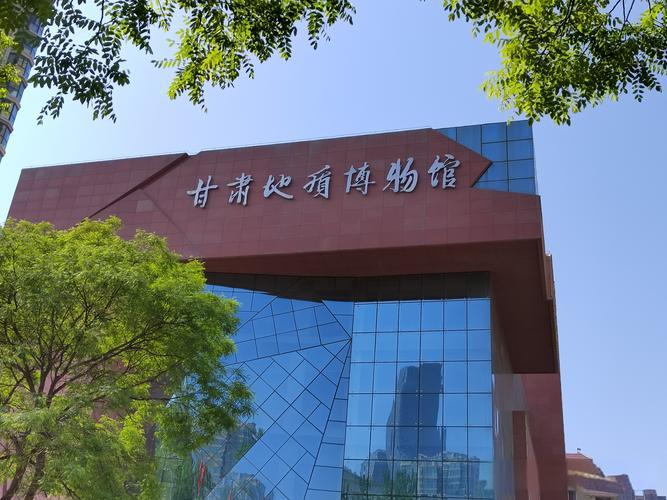
Gansu Geological Museum
Introduction
Founded in 1943, the Gansu Geological Museum is one of the oldest geological museums in China, showcasing a rich history and a vast collection of geological specimens. Located at No 6 Tuanjie road, Tanjianzi, Chengguang district in Lanzhou, the museum spans a construction area of 12,568 square meters with an exhibition area of 4,860 square meters. This museum plays a significant role in promoting the understanding of geological science and its relevance to the evolution of our planet and natural resources.
The Gansu Geological Museum is designed to be an educational and cultural venue, offering visitors a comprehensive insight into the geological history, mineral wealth, and paleontological treasures of Gansu province and beyond. It serves as a platform for scientific research, public education, and recreational activities, making it a crucial institution in the dissemination of geological knowledge in China.
Exhibits
The Gansu Geological Museum houses a diverse range of exhibits that highlight the geological wonders and historical artifacts of the region. The museum is home to over 30,000 specimens, comprising geological and mineral samples, fossils of prehistoric life, and various minerals and rocks. The exhibits are meticulously curated to provide a deep understanding of the geological processes and their impact on the environment and natural resources.
Permanent Exhibits
The permanent exhibits at the Gansu Geological Museum are spread across more than ten halls and galleries. These include the Preface Hall, the Gallery of the Earth, the Gallery of Minerals and Rocks, the Gallery of Gemstones, the Evolution Hall, the Land Resources Hall, the Geological Environment Hall, and the Mineral Resources Hall. Each gallery is dedicated to a specific aspect of geology, offering a structured and detailed exploration of various geological phenomena.
Notable among the permanent exhibits are the national treasure-level products such as the Daxiatitan, the Lanzhousaurus, and the Gansus yumensis. These specimens are pivotal in understanding the prehistoric life that once thrived in the region, providing valuable insights into the evolutionary history of these ancient creatures.
Temporary Exhibits
In addition to its permanent collection, the Gansu Geological Museum also hosts temporary exhibits that showcase a variety of themes and subjects within geological sciences. These exhibits are designed to keep the museum's offerings fresh and engaging for repeat visitors, as well as to highlight recent discoveries and thematic presentations in the field of geology.
Temporary exhibits serve as an excellent platform for introducing new topics, engaging with contemporary issues in geological sciences, and featuring collections from other institutions. This dynamic approach ensures that the museum remains a relevant and lively participant in the scientific and educational community.
Architecture
The architecture of the Gansu Geological Museum is designed to complement its extensive collection and exhibition spaces. Spread over 12,568 square meters, the museum's structure reflects modern architectural sensibilities while being responsive to the functional needs of a museum environment. The design includes a series of interconnected halls and galleries, each tailored to the specific requirements of its exhibits.
Outside the museum, visitors can explore the mineral grove and the stone-shadow carving wall, which add to the aesthetic and educational aspects of the museum's architecture. These exterior features provide a harmonious blend of natural elements and artistic creations, enhancing the overall visitor experience.
The museum also features a 4D dome theater, which offers immersive experiences that bring geological phenomena to life. This state-of-the-art facility is a highlight of the museum's architectural and educational offerings, providing a unique way for visitors to engage with the science of geology.
Research and Publications
The Gansu Geological Museum is not only a center for public education but also a hub for scientific research. The museum is actively involved in conducting research related to its collections, contributing to the broader field of geological sciences. Research activities focus on the study of geological formations, mineral resources, and paleontological findings, which are integral to understanding the natural history of the region.
The museum's research outputs are disseminated through various publications, including scientific papers, journals, and educational materials. These publications serve to share new discoveries, insights, and advancements in geology with the scientific community and the general public. The museum's commitment to research and publications plays a crucial role in advancing geological knowledge and fostering a deeper appreciation for the Earth's natural resources.








